
October 15, 2025

Fixed Vs Loose Furniture: What’s Best for Your Space?

Details

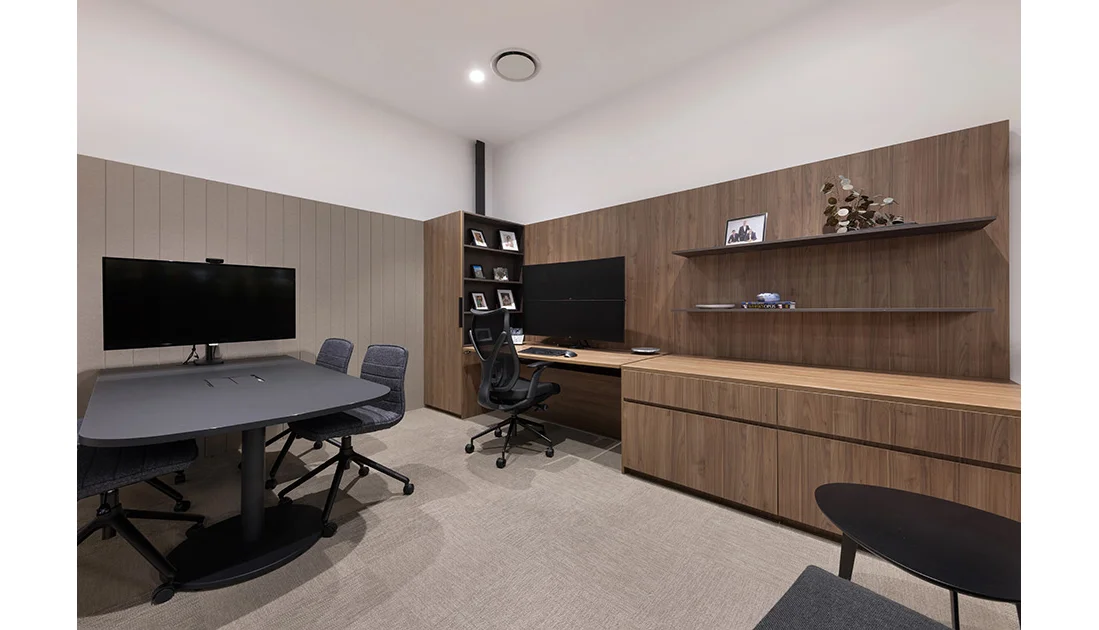
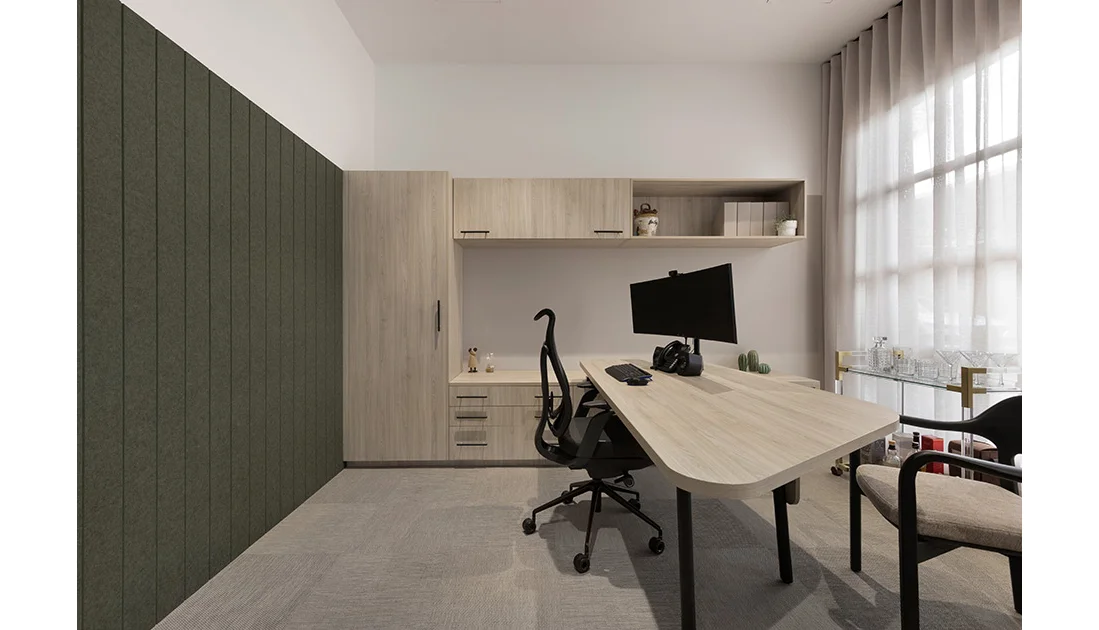
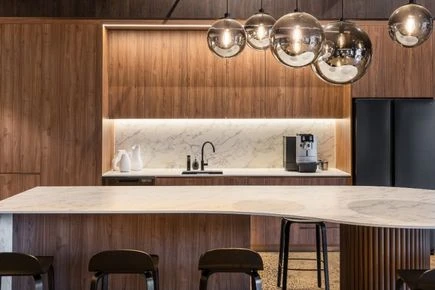
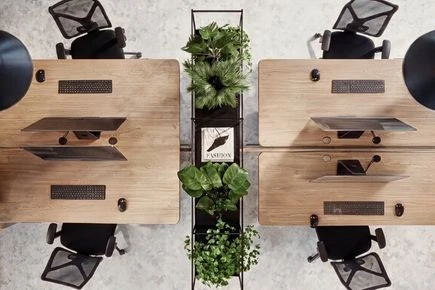
When it comes to office and commercial spaces, furniture plays a pivotal role in creating an efficient and appealing environment. Understanding the difference between fixed and loose furniture can help you make informed decisions about what’s best for your space. Fixed furniture is built into the structure of the building, including items such as built-in desks, bookshelves, and cupboards. Loose furniture includes movable items such as freestanding desks, tables, and chairs.

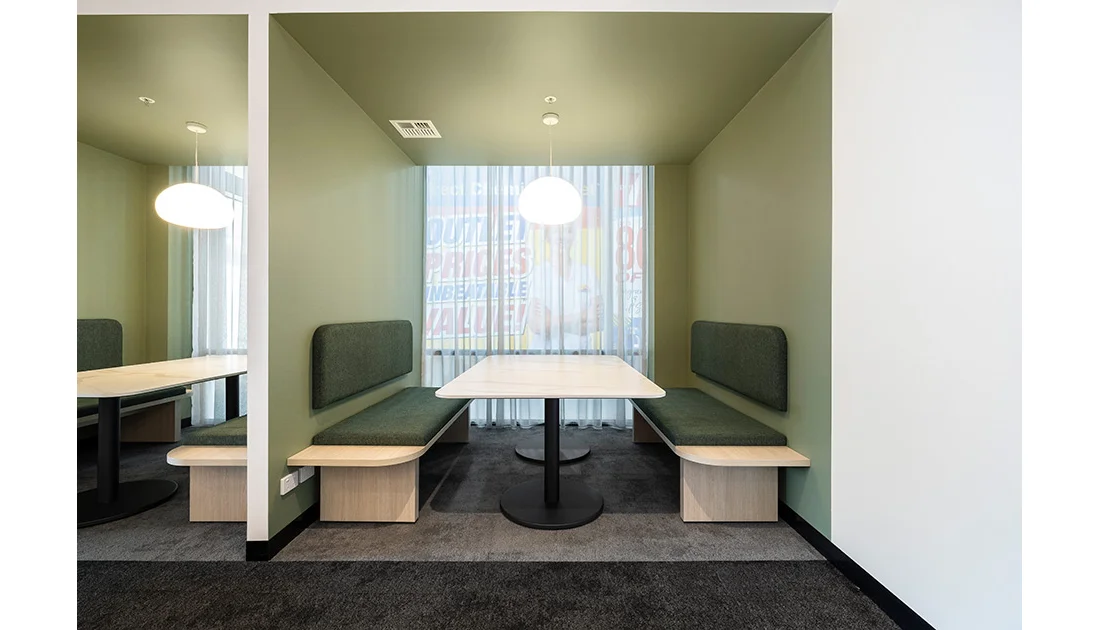
The advantages of fixed furniture include stability, durability, and space optimisation, as it can be custom-built to fit perfectly. It also offers a seamless look that blends with the building's architecture. However, its disadvantages include a lack of flexibility, as it cannot be easily moved, and potentially higher initial installation costs. It can also be less sustainable as it's often difficult to recycle or reuse.
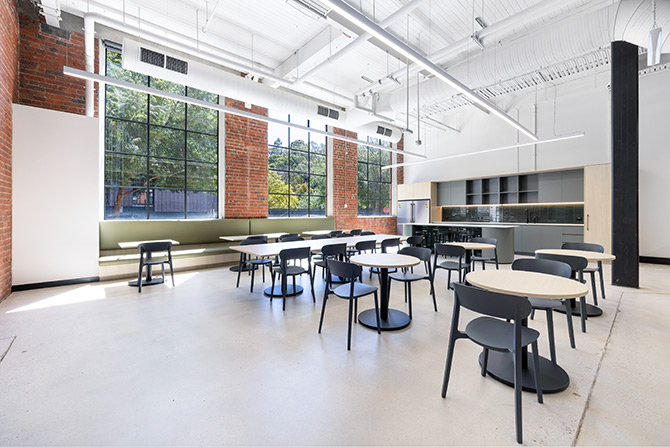
Main Blog image
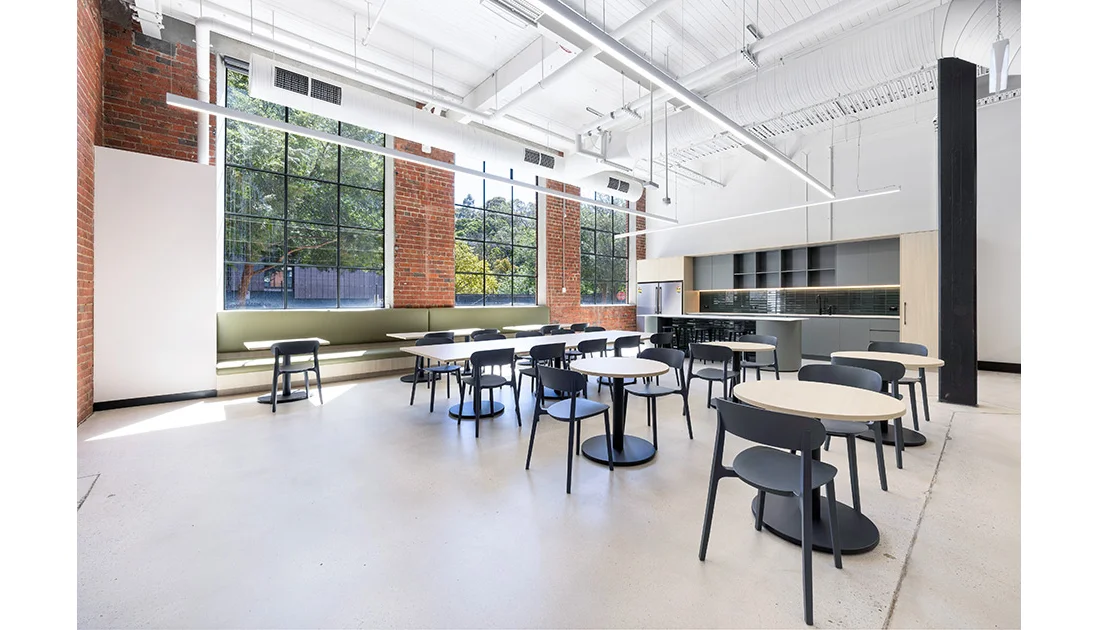
Loose furniture offers great flexibility, as it can be easily moved, rearranged, and replaced, which is ideal for dynamic office environments. There is a vast array of styles available, and it is generally more cost-effective to purchase and replace. The disadvantages include potentially less stability and durability, and it might not utilise space as efficiently as custom-built fixed furniture.
The right choice depends on your specific needs. Many modern offices successfully combine both fixed and loose furniture to maximise stability and flexibility. By carefully considering the pros and cons, you can create a functional and aesthetically pleasing office. Contact Krost today to explore our range of high-quality solutions.